
Caring for Senior Pets: Lifestyle Adjustments That Matter

Pets bring companionship and joy throughout their lives. As they grow older, their needs begin to change. Senior pets may move more slowly, sleep longer, and require closer attention to their health. Caring for an aging pet involves more than routine feeding and walks. It requires thoughtful lifestyle adjustments that support comfort, mobility, and emotional well-being. With proper care and observation, pet owners can help their companions remain healthy and content during their later years. Understanding these changes allows owners to respond with patience and practical support.
Recognizing the Signs of Aging
Aging occurs gradually in animals, and the signs may appear subtly at first. Many pets begin to show physical and behavioral changes as they reach their senior years. Common signs include reduced energy, slower movement, and increased sleep. Some pets may develop stiffness in their joints or show less interest in activities they once enjoyed. Changes in appetite or weight can also occur. Dental health, vision, and hearing may decline as well. Observing these shifts helps owners respond appropriately. Early recognition allows pet owners to consult veterinarians and adjust care routines. These steps help ensure pets remain comfortable and supported as they age.
Adjusting Nutrition for Senior Pets
Diet plays a central role in supporting the health of older animals. As pets age, their metabolism often slows. This means they may require fewer calories but higher-quality nutrients. Senior pet foods are designed to address these needs. They typically include balanced proteins, essential vitamins, and controlled calorie levels. Joint-supporting nutrients such as glucosamine may help maintain mobility. Omega fatty acids may also support skin and coat health. Fresh water should always remain available. Older pets may be more sensitive to dehydration. Consulting a veterinarian helps ensure that dietary choices support an aging pet’s specific health requirements.
Supporting Mobility and Physical Comfort
Mobility challenges are common among senior pets. Joint stiffness and reduced muscle strength can make movement more difficult. Simple adjustments around the home can improve comfort. Soft bedding helps reduce pressure on joints. Pet ramps or small steps can assist animals in reaching beds or sofas. Floor surfaces may also affect stability. Non-slip rugs or mats can help pets maintain balance while walking indoors. Gentle exercise remains important as well. Short walks or light play help maintain muscle strength and circulation without placing excessive strain on aging joints. These adjustments help ensure pets remain active while minimizing discomfort.
Prioritizing Regular Veterinary Care
Veterinary care becomes increasingly important as pets grow older. Routine health examinations allow professionals to detect medical conditions early. Senior pets often benefit from more frequent checkups than younger animals. Blood tests, dental evaluations, and mobility assessments provide valuable insights into overall health. Early detection can make a significant difference in treatment outcomes. Conditions such as arthritis, kidney disease, or diabetes may be managed more effectively when identified early. Veterinarians may also recommend preventive treatments that support long-term health. Consistent medical care helps ensure that aging pets receive appropriate support throughout their senior years.
Maintaining Emotional Well-Being and Mental Stimulation
Physical health is not the only concern for older pets. Mental stimulation remains important for maintaining emotional well-being. Senior animals may enjoy gentler forms of interaction. Puzzle toys, scent games, or short training sessions help keep their minds active. Spending quality time together strengthens the bond between pets and their owners. Calm companionship often becomes especially meaningful during the later stages of a pet’s life. Routine also provides comfort. Regular feeding times, familiar sleeping areas, and predictable daily activities help reduce stress for aging animals. Providing emotional support helps ensure pets feel secure and valued.
Creating a Comfortable Home Environment
A supportive home environment can significantly improve a senior pet’s quality of life. Small adjustments may make everyday activities easier. Accessible food and water bowls reduce strain during meals. Elevated bowls may help pets with joint stiffness eat more comfortably. Temperature also matters. Older animals may …
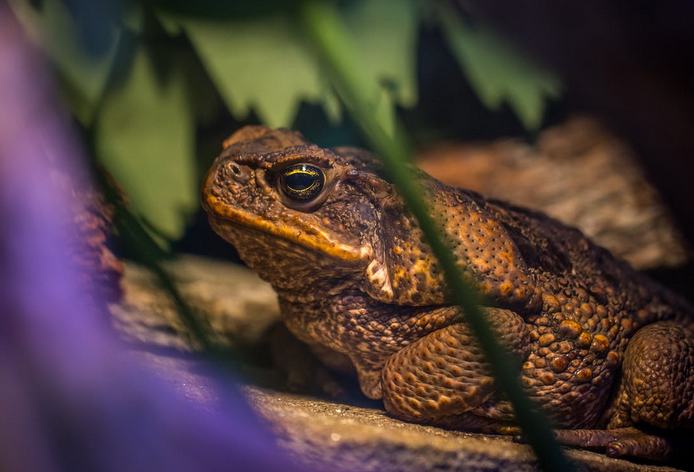
 The Australian green tree frog is a famous pet